 |
|
Welcome to National Grid’s Tips of the Trade for first responders. These tips are intended to help you respond safely and effectively to incidents involving electricity. Please review them with your team.
|
|
| Work zone safety: a proactive approach for law enforcement |
|
 |
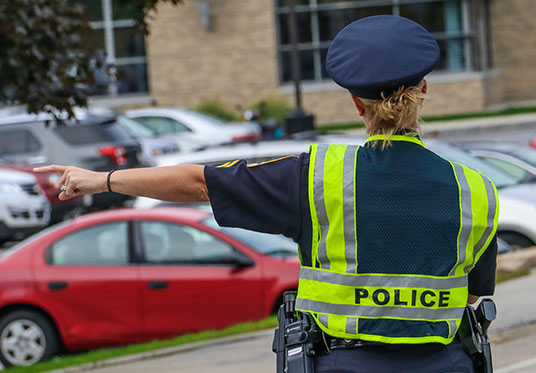
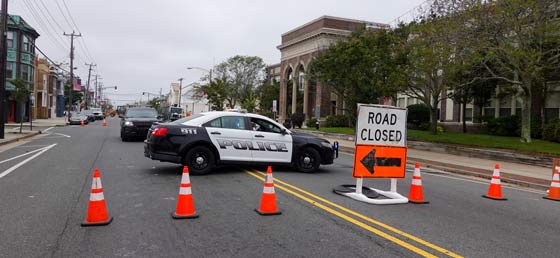
| Ensuring the safety of workers, motorists and law enforcement officers is paramount when National Grid conducts utility infrastructure upgrades along roadways. These projects often involve lane and shoulder closures, creating work zones that present unique challenges and hazards. Maintain a proactive mindset to reduce risks, prevent incidents and keep everyone safe. |
|
|
|
 |
| Situational awareness |
| Upon arriving at any work zone, conduct a comprehensive site assessment. Identify potential hazards, such as heavy machinery and traffic patterns, and note the locations of workers and pedestrians. Maintain heightened situational awareness at all times, as work zones are dynamic environments where conditions can change rapidly. Hazard awareness not only ensures your safety but also contributes to the safety of workers and the traveling public. |
| Traffic control |
| Within the work zone, the designated traffic control supervisor has the primary authority for implementing the approved traffic control plan. While you have the authority to enforce traffic laws and maintain safety, defer to the traffic control supervisor’s expertise and direction regarding specific traffic control measures. |
|
| Enforcement and emergencies |
| Implement appropriate enforcement strategies, and in the event of an incident within a work zone, follow established protocols for responding to emergencies. Ensure safe access for emergency vehicles and coordinate with construction crews and traffic engineers for lane closures or rolling roadblocks. Incidents involving motor vehicle crashes or hazardous material spills require meticulous documentation and evidence preservation for subsequent investigations. |
| Nighttime operations |
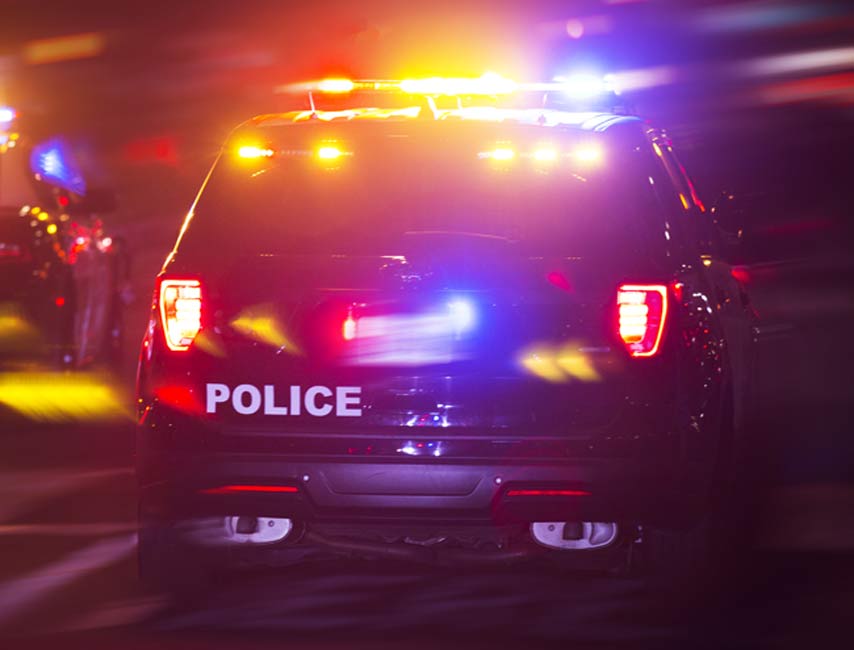
| Work zones present unique challenges during nighttime hours, with reduced visibility being a significant concern. Use proper lighting and visibility measures, including flashing lights, reflective cones and high‑visibility safety apparel. Enhancing your personal visibility and maintaining awareness of your surroundings are crucial to your safety. |
|
| For more first responder safety information, visit firstresponder.ngridsafety.com. |
|
|
|
| |
To report emergencies, call 911 and National Grid immediately.
Always call 911 if you suspect a gas leak! |
| |
|
To report emergencies, call 911 and National Grid immediately.
Always call 911 if you suspect a gas leak! |
 |
| In case of electric emergencies: |
|
Upstate New York:
911 and 1‑800‑867‑5222 |
|
Massachusetts:
911 and 1‑800‑465‑1212 |
|
|
|
|
| |
|
|
|
| |
| |
|
|
#17897 © 2026 Culver Company, LLC |
|
| |
|
|
|
|
|
|